
Luxury Car Rental in Cannes for a 2026 French Riviera Getaway
Planning the perfect French Riviera escape from Toronto, Vancouver, or Montreal? You can compare the best luxury car rental options in Cannes for a memorable 2026 getaway, while getting a clear picture of international permits, insurance, one-way rental fees, peak-season pricing, airport transfers, scenic coastal drives, and popular routes to Nice, Monaco, Saint-Tropez, and Antibes. I’ve pulled these details together to help Canadian visitors choose a reputable premium rental company, understand European driving rules, avoid surprise charges, and decide whether a luxury car is worth the added cost.
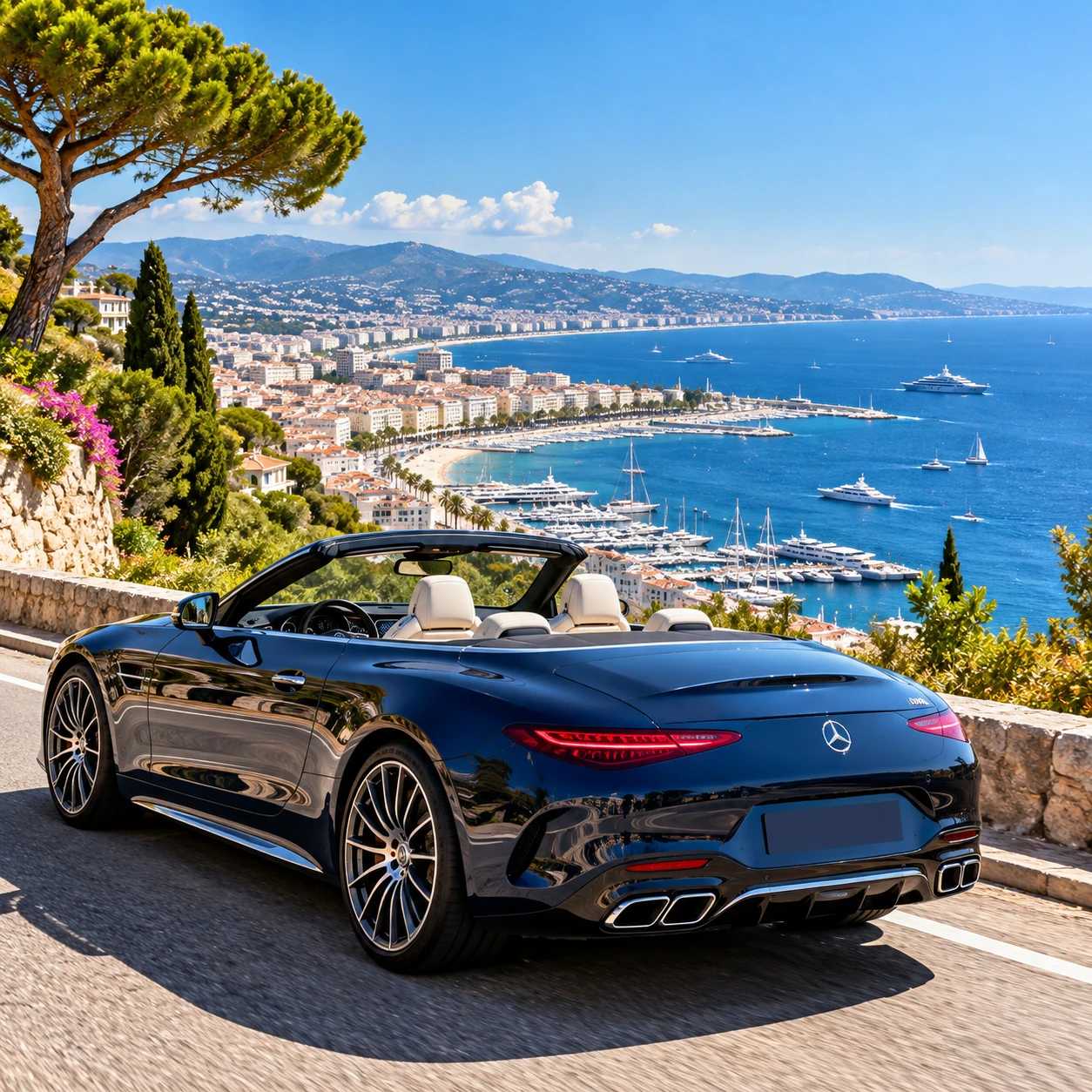
I remember planning my first French Riviera road trip from Canada. Flights from Toronto, Vancouver, or Montreal landed at Nice, and I was eager to explore Cannes, Antibes, Monaco, and Saint-Tropez without relying on train schedules or crowded tour buses. A premium rental made that plan feel wonderfully straightforward. The extra cost did more than add style; it gave me comfortable seats, an intuitive navigation system, and the freedom to stop whenever a viewpoint or quiet village caught my attention.
For a 2026 escape, a luxury car can be especially worthwhile if you’re sharing the cost with a partner or travelling as a small group. It’s less essential if your itinerary is limited to central Cannes and your main goal is saving money. I recommend comparing the complete price—including insurance, taxes, fuel, tolls, parking, and one-way charges—before making a decision.
Why Luxury Car Rental Elevates Your French Riviera Experience
The Côte d’Azur is made for driving. Narrow roads curl around rocky hillsides, Mediterranean bays appear between olive trees, and the scenery changes quickly along the Corniche. In a performance sedan or convertible, even a short transfer to nearby Antibes can feel like part of the holiday rather than a practical step between destinations.
Cannes also has a genuine relationship with luxury. Prestigious hotels, beach clubs, yacht clubs, fine-dining restaurants, and film festivals create an atmosphere where arriving in a well-maintained premium vehicle feels entirely appropriate. It can also make day trips more comfortable, particularly on warm days when a convertible is practical and on longer drives when supportive seats and quiet cabins make a noticeable difference.
The real advantage is flexibility. Leave Cannes before the morning traffic builds, spend an extra hour in Èze, take the coastal road into Antibes, or continue toward Saint-Tropez without checking bus times. If you have a camera, golf clubs, elegant luggage, or beach equipment, you’ll also have the space to carry them.
That said, the most glamorous vehicle isn’t always the best rental. A compact SUV may be easier to park in old towns, while a midsize convertible is more enjoyable for two people than a large sports car. For my own 2026 planning, I’d prioritize a reliable model, a comfortable interior, modest dimensions, and luggage capacity over maximum horsepower.
Essential Documents and Requirements for Canadian Drivers in France
Before leaving Canada, confirm that your driver’s licence remains valid throughout your trip. Most Canadian visitors can drive in France with a valid Canadian licence, but an International Driving Permit is strongly recommended. It translates the licence into an internationally recognized format and can prevent problems if the rental company or police officer can’t read the original document.
Carry all of the following:
- Your valid Canadian driver’s licence
- An International Driving Permit issued before departure
- The original passport used for the rental booking
- A major credit card in the primary driver’s name
- Your rental agreement and insurance documents
- Proof of accommodation and return-flight details
Most premium rental companies require the driver to be at least 21 or 23 years old, while drivers under 25 often face a surcharge and restrictions on high-powered models. Some suppliers also set a minimum licence-holding period of one to three years. Check these conditions before paying, particularly if you’re under 25 or arriving after a long-haul flight.
Credit-card holds can be substantial for a luxury vehicle. The deposit may cover the estimated rental cost plus an excess, and some cards provide only partial coverage. When comparing luxury car rental options in Cannes, verify the company’s reviews, office location, vehicle category, deposit amount, and cross-border rules directly before booking.
Monaco and Italy are separate jurisdictions from France. Although there are normally no routine border checkpoints, your rental agreement must permit travel into them. Some companies charge a cross-border fee or restrict certain vehicle classes. If you plan to collect the car in Cannes and return it in Nice, confirm the one-way fee in advance.
Insurance Options Explained
Basic rental protection normally includes a Collision Damage Waiver with a deductible, also called an “excess.” In France, that excess can still be substantial, particularly for premium vehicles. A zero-excess reduction package may be worthwhile if you’re unfamiliar with narrow European streets or don’t want to rely on credit-card coverage.
Canadian credit cards often cover damage to a rental vehicle but may exclude third-party liability, personal injury, tires, glass, undercarriage damage, or unauthorized drivers. A travel insurance policy can fill some gaps, but you must read its European rental terms carefully. At pickup, I photograph every panel, wheel, windshield, and fuel gauge before leaving the office.
2026 Pricing Guide: What Luxury Car Rentals Actually Cost in Cannes
Typical 2026 estimates for a one-week rental are approximately €700 to €1,400 for a mainstream premium sedan, €900 to €1,800 for a premium SUV, and €1,000 to €2,200 or more for a high-end convertible or sports car. These estimates depend heavily on the season, vehicle availability, insurance selection, and pickup location.
July and August command the highest rates because of European holidays, festivals, and peak beach demand. May, June, September, and early October often offer better availability and pricing. Nice Côte d’Azur Airport locations can carry airport or concession fees, while downtown Cannes may provide better value. Still, compare the cost of getting from the airport to your hotel before choosing.
Keep these possible extras in mind:
- One-way return fees for dropping the car in Nice, Monaco, or another city
- Additional-driver charges
- Young-driver, luxury-category, or vehicle-upgrade surcharges
- GPS, child seats, additional drivers, and roadside assistance
- Fuel-service fees or a premium refill policy
- Airport facility fees and local taxes
The A8 autoroute between Cannes and Nice uses tolls, and routes toward Italy may include additional tolls. Motorways are generally faster, while the Corniche roads are free but slower and more scenic. Luxury cars may also require premium fuel; verify the required grade in the owner’s manual and at the pump.
How to Save on Premium Rentals
Book as early as practical, especially for July, August, convertible season, and festival periods. I aim for at least three to six months ahead, with more lead time for larger vehicles. Travelling in late September or October can also produce meaningful savings without sacrificing the scenery.
Compare airport and Cannes downtown rates, but include transfer costs in the calculation. Membership benefits, credit-card rental benefits, and airline or hotel packages can reduce the price, although the fine print matters. Avoid purchasing duplicate protection until you’ve checked both your credit card and travel policy.
The Best Scenic Driving Routes from Cannes
Cannes to Nice via the Coastal Corniche
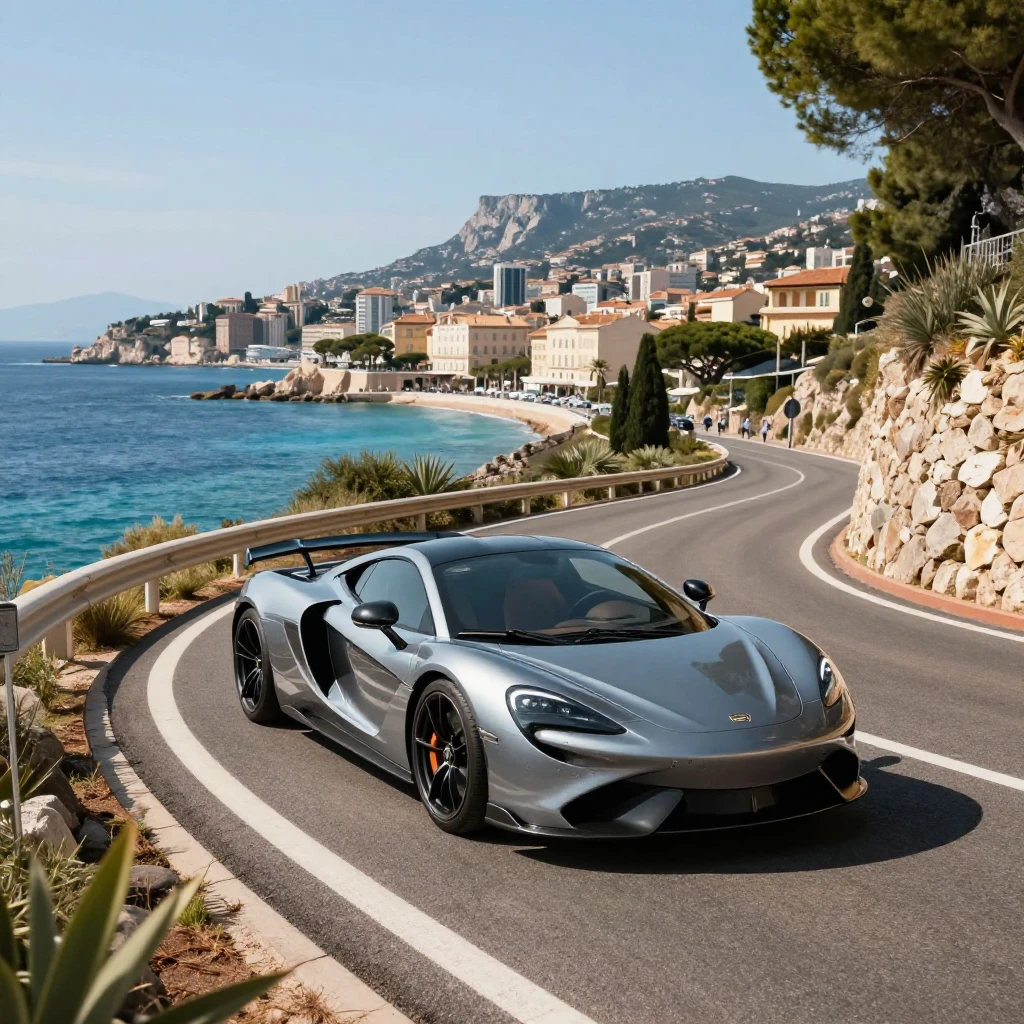
The approximately 30-kilometre Basse Corniche route is my favourite drive in the region. Heading east, you pass Cap d’Antibes, Juan-les-Pins, and Antibes before arriving near Nice. Allow at least 90 minutes without stops because the road is narrow, busy, and full of curves.
Allow time to explore Antibes’ historic centre, walk beside the port, or continue to Cap d’Antibes for ocean viewpoints. Summer traffic can be severe, so leave early in the morning or around the middle of the afternoon.
Cannes to Monaco and Monte Carlo
The journey from Cannes to Monaco covers roughly 60 kilometres and combines the A8 with dramatic clifftop roads. Èze is the essential stop: the hilltop village has narrow lanes, panoramic Mediterranean views, and a memorable climb past the Exotic Garden.
Continue to Monaco for the harbour, Monte Carlo, the casino district, and a close look at the Grand Prix circuit. Use a hotel or public car park rather than stopping illegally in the principality, where spaces are extremely limited and traffic wardens are strict.
Cannes to Saint-Tropez
Saint-Tropez is around 75 kilometres from Cannes, but the direct route through the Maures hills is scenic and winding. The Route des Crêtes offers better views yet is slower, especially near the Col de l’Osse. The faster inland route is useful when you want more time in Saint-Tropez.
Parking outside the centre can be easier than finding a spot near the port. Consider arriving before the late-morning rush, then walk or use the local shuttle rather than circling the streets.
French Riviera Driving Tips Every Canadian Should Know
Driving is on the right, and priorité à droite can surprise visitors. At unsigned intersections, traffic may already have priority from the right. At roundabouts, vehicles already in the circle usually have priority, but follow the signs because local layouts vary. Never signal when leaving a roundabout unless the road markings specifically require it.
General speed limits include 50 km/h in urban areas, 80 km/h on many rural two-way roads, and 130 km/h on autoroutes in dry conditions. Rain lowers the autoroute limit to 110 km/h. Radar enforcement is common, so don’t rely on following the speed of surrounding traffic.
Old village streets can be barely wider than a car. Fold the mirrors before entering tight lanes, give way to pedestrians, and avoid stopping in narrow passages. In Cannes, paid parking and seasonal restrictions apply, especially near the Croisette and beaches. I use Waze for navigation and PayByPhone where street parking is available, but I confirm local signs before relying on either app.
Keep valuables out of sight, never leave luggage visibly in the vehicle, and photograph the car after every stop. Smartphone signal can be inconsistent in the hills, so download offline maps. In summer, expect traffic around Cannes, Antibes, Monaco, and the main Saint-Tropez approaches. A full tank is also useful because fuel stations become less frequent along some scenic routes.
Final Considerations for a Seamless 2026 Rental
For a 2026 French Riviera getaway, reserve early, compare the final all-in price, and choose the vehicle that suits your route and luggage—not merely the one with the most impressive badge. A premium car is especially worthwhile for couples, small groups, and travellers planning several excursions across the Côte d’Azur.
If you land at Nice Côte d’Azur Airport, taking a taxi or private transfer to your Cannes hotel first may be more comfortable after a long flight from Canada. Pick up the rental the following morning, when you’re rested and the roads are quieter. If you plan to drive immediately, confirm the exact office location and allow time for the handover and vehicle inspection.
For central stays, I’d choose a hotel with confirmed parking access rather than relying on street parking around La Croisette. For a more relaxed arrival, properties slightly west of the centre may make pickup and departure easier.
Ultimately, a luxury rental can turn a collection of destinations into one continuous Riviera experience. With the right insurance, a realistic budget, and carefully planned routes, the car becomes more than transportation: it becomes your comfortable base for discovering the coast on your own terms.


